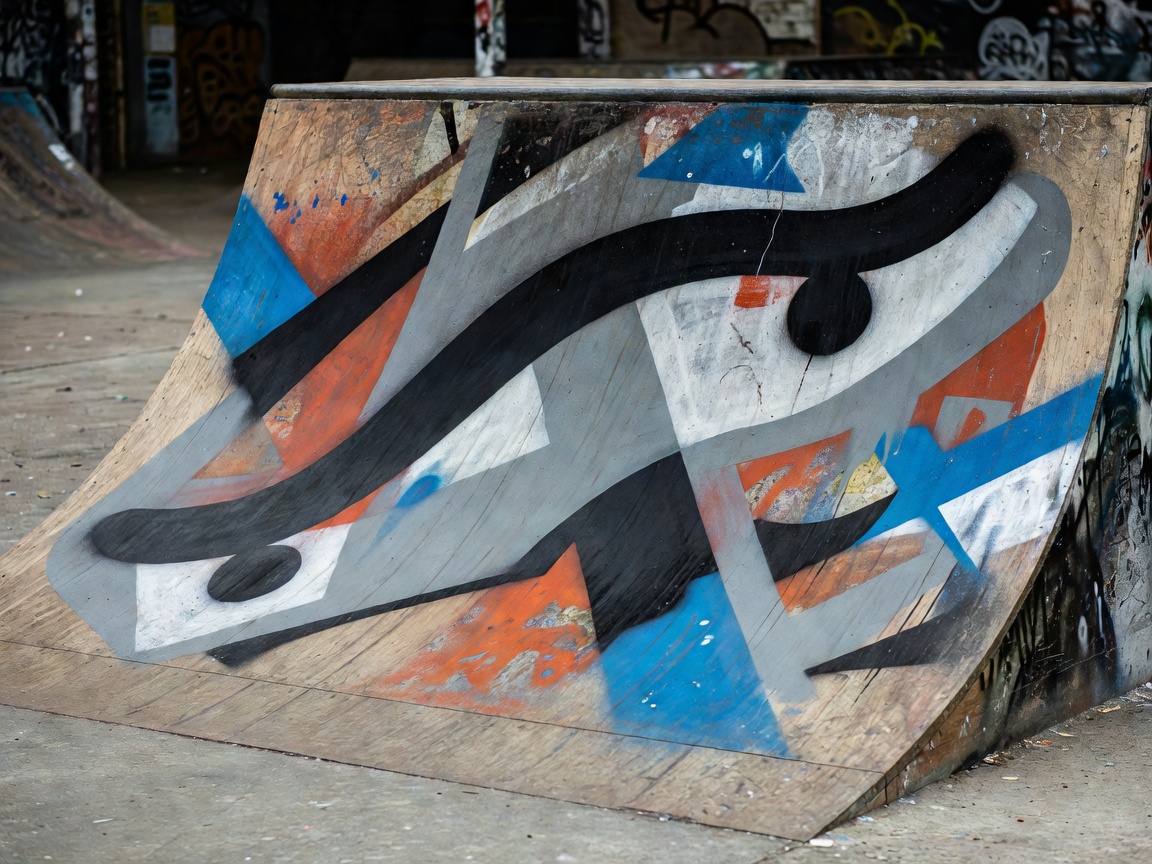
Why can a kerb become a whole landscape?
Skateboarding, BMX and related street disciplines remake the built environment. A bank becomes a transition; a stair set becomes a line; a smooth patch of concrete becomes a place to practise balance. The point is not simply to use a city as an obstacle course. It is to see form, momentum and possibility where others see routine infrastructure.
What links skateboarding and BMX?
Both reward balance, timing and repeated attempts. Both have street and park expressions. Street riding uses found architecture, while parks provide designed ramps, bowls, rails and transitions. The equipment produces different movement: a skateboard is manoeuvred through foot placement and body position; a BMX bike brings wheels, pedals and handlebars into the conversation. But each creates a direct feedback loop between intention and motion.
Why is repetition so visible?
Many action sports are learned in public, one attempt after another. A trick may involve a sequence of small components: approach speed, take-off, body shape, board or bike control, landing. Failure is often visible, ordinary and informative. That makes persistence part of the culture, but it should not make unnecessary impact seem admirable. Progression works best when the next attempt is chosen because it is intelligible, not because it is dramatic.
What does style mean here?
Style is not a fixed uniform. It describes how movement joins together: speed, line choice, economy, height, flow and the character of a trick. Two riders can perform similar manoeuvres and make different decisions about how to enter or leave them. This is one reason filming and photography have long mattered to action culture. They record a line through space, not merely a successful landing.
How does shared space shape the culture?
Public places are shared with pedestrians, residents, businesses and other users. Noise, damage and blocked access can bring conflict quickly. Parks have their own etiquette too: do not drop in blindly, retrieve equipment promptly and give less experienced riders room. Helmets and other protective equipment are personal choices shaped by discipline and setting, while facility rules should always be followed.
Why does it remain compelling?
Action culture compresses creativity into everyday geography. It rewards the ability to look again at a familiar place, then turn that observation into movement. The best moments can be modest: a clean turn, a smoother line, the first time a difficult motion feels less like an interruption and more like part of the ride.